Smart Home

9 Best Home Security Cameras of 2026: Match Your Home’s Sun and Wi-Fi

Find best home security cameras that actually stay connected and charged in your specific yard—no subscription traps, no Wi-Fi dead zones.

A security camera is only as good as its ability to stay online and charged, yet the market is packed with models that falter the moment your Wi-Fi weakens or a cloud passes overhead. Bold claims about multi-month battery life and seamless connectivity rarely survive contact with a real home’s thick walls, tree shade, or high foot traffic.

This guide picks cameras that match your actual installation conditions: the daily hours of direct sun on your eaves, the reach of your home network, and whether you’re willing to run a single Ethernet cable or recharge a battery every few months. Every recommendation prioritizes long-term dependability over a glossy feature list.

The result is a security setup that works with your routine—not one that demands constant babysitting.

1

Ring Indoor Cam

Top Pick
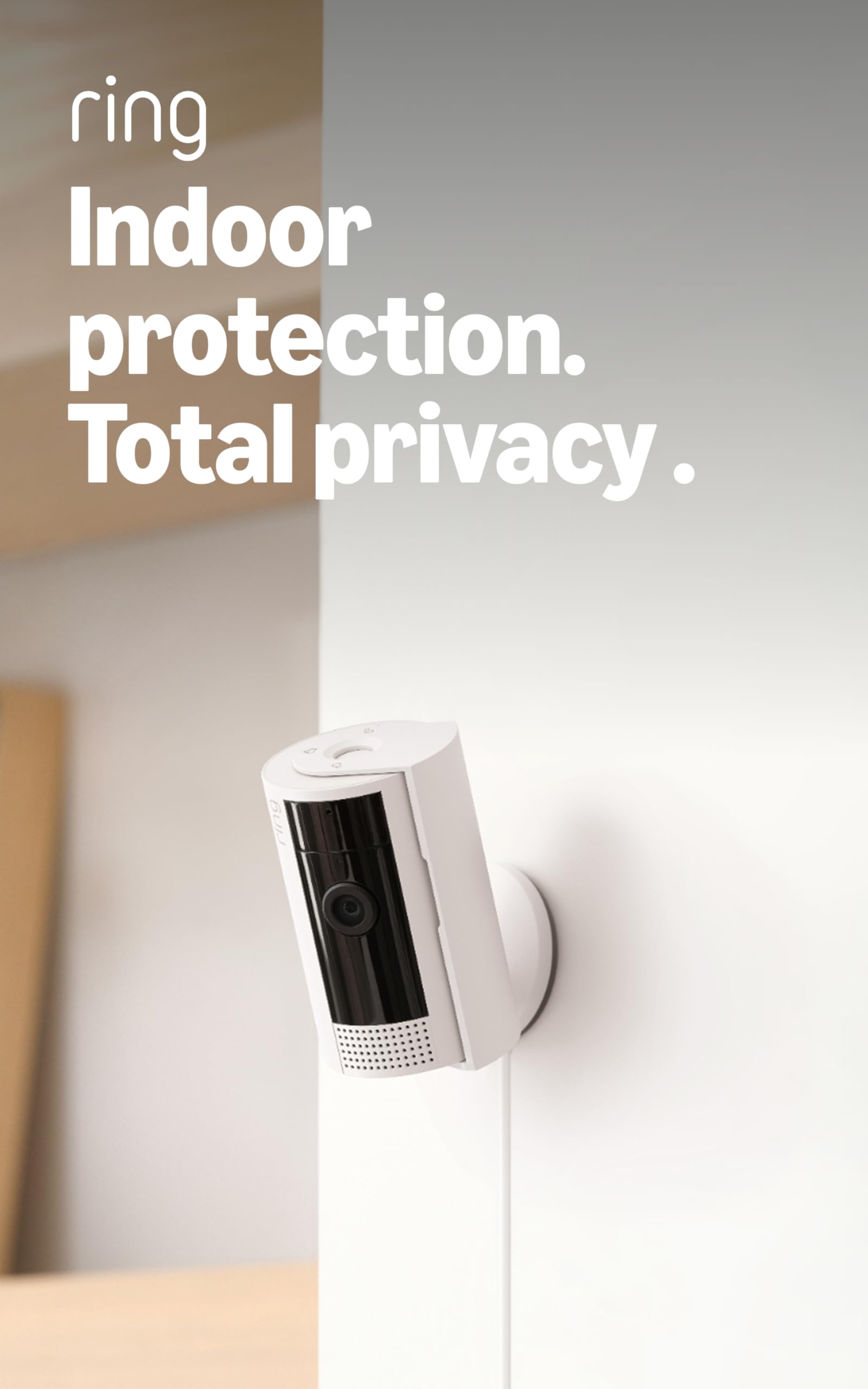
Ring Indoor Cam

Ring ecosystem add-on

Our Score 9.4/10
Check Price

Worth Noting

  • All recorded video storage, sharing, and motion detection settings require a Ring Protect plan
  • The camera's Wi‑Fi can occasionally disconnect and may need a manual reset to rejoin the network.
Power Source
Wired, plug-in
Video Resolution
1080p HD, Color Night Vision
Storage & Subscription
Cloud, subscription required
Cameras & Expandability
1 camera, compact
Read the full review

The Ring Indoor Cam delivers crisp 1080p video with color night vision in a compact, plug-in body that's dead simple to set up. It integrates smoothly with Alexa for voice-activated live views and fits anywhere you can reach an outlet. It isn't meant for outdoor coverage or subscription-free recording — all meaningful features, including recorded clip history, sharing, and motion detection controls, live behind the Ring Protect cloud plan. The camera's Wi‑Fi can occasionally disconnect and may require a manual reset, though placing it near your router helps. For existing Ring users who want a quick indoor glance at a nursery or pet space without adding complexity, it's a capable, low-fuss add-on.

Tip: Situate the camera where your Wi‑Fi signal is strongest to minimize occasional connection drops that require a manual reset.

Bottom line: Ideal as a secondary camera in a nursery or pet area for households already invested in Ring's ecosystem, as long as the ongoing cloud subscription for recordings fits your budget.
2

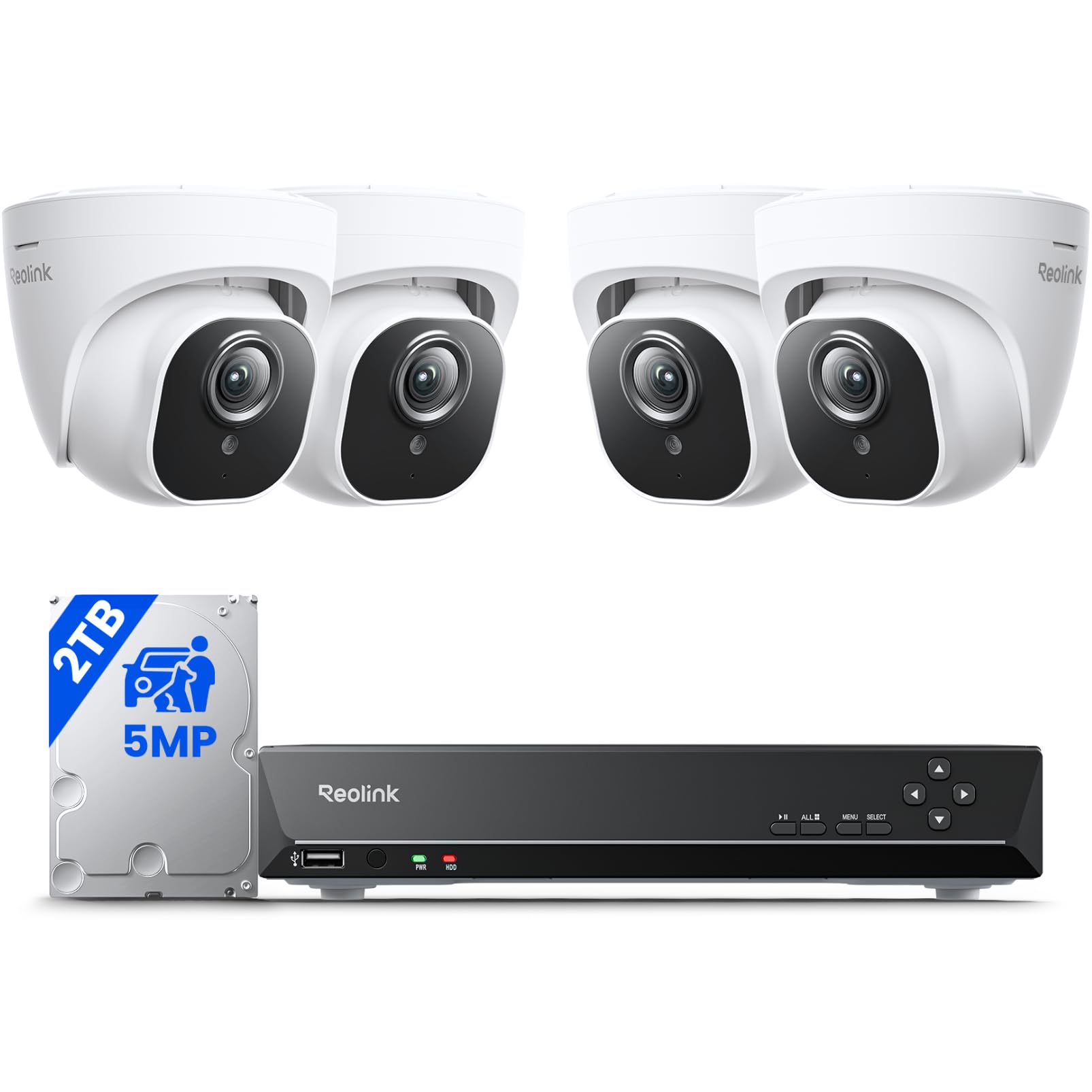
REOLINK 4-Cam PoE System

REOLINK 4-Cam PoE System

Wired 24/7 recording

Our Score 9.0/10
Check Price

Worth Noting

  • Default motion detection can generate a high volume of false alerts; precise zone and sensitivity tuning is essential.
  • Cameras may arrive non-functional out of the box; responsive support handles replacements promptly.
Power Source
PoE wired, 100 ft IR night
Video Resolution
5MP Super HD
Storage & Subscription
2TB HDD, no subscription
Cameras & Expandability
4 cameras, NVR expandable
Read the full review

This PoE system sidesteps Wi-Fi entirely, so recordings continue through router hiccups or internet outages. The 5MP cameras capture sharp detail, and the 100ft infrared night vision reaches deep into dark backyards without glare. Unlike solar-powered kits that rely on consistent sun, the wired design provides round-the-clock, predictable recording.

The 2TB pre-installed hard drive stores weeks of continuous local footage, and the storage is expandable. PoE wiring carries both power and data over a single cable, keeping installation tidy once cables are in place. The plug-and-play NVR keeps setup simple once wiring is complete, though pulling cable through walls and attic demands planning and effort.

This system is aimed at homeowners seeking a permanent, subscription-free surveillance setup with zero signal drop-offs. Renters or those needing a simple wireless install should look elsewhere. The default motion detection is highly sensitive, so expect to spend time creating detection zones and lowering alert thresholds to avoid constant false pings.

Tip: Spend time creating motion detection zones and lowering sensitivity per camera to cut false alerts without missing real events.

Bottom line: For homes where Wi-Fi dropouts or spotty solar charging would undermine a security system, this PoE kit offers the closest thing to set-and-forget recording — as long as you're ready to run cables and fine-tune alerts.

3

aosu SolarCam D1 4-Cam Kit

aosu SolarCam D1 4-Cam Kit

Sunny outdoor PTZ

Our Score 8.8/10
Check Price

Worth Noting

  • Solar charging performance drops in shade
  • Wi-Fi connectivity may be spotty at long range; streaming and auto-tracking can falter unless the home network includes a mesh system
Power Source
Solar-powered, 32GB base
Video Resolution
2K/3MP
Storage & Subscription
Local 32GB, no subscription
Cameras & Expandability
4 cameras, 360° PTZ, auto-track
Read the full review

The aosu SolarCam D1 Classic Kit delivers something scarce in wireless security: four solar-powered outdoor cameras, each with full 360° pan and tilt, tied to a local base station that records 2K footage without a subscription. Auto-tracking pivots each lens to follow people and vehicles across the frame, and the resulting clips are stored on the hub's 32GB of built-in memory — no cloud fees required.

Daytime video is crisp, and IR or spotlight-assisted night vision holds up well. The IP65 construction shrugs off rain and dust, and the initial pairing process is simple enough that all four cameras typically come online within an afternoon. Two-way audio lets you speak with visitors or delivery drivers through the app.

Motion-triggered tracking stays on walking subjects and slow-moving cars, though fast sprints can outpace the pan motor. The system zones in on human and vehicle shapes, reducing false pings from swaying branches or animals. Once a detection locks on, the camera stays with the target until it leaves the field of view.

This kit is aimed at properties with unobstructed south-facing walls or rooflines where the integrated solar panels can soak up direct sunlight for several hours a day. In those conditions, the batteries hold charge for weeks. Homeowners with heavily shaded yards, however, will find the system less convenient; a wired camera setup may be a better fit. The pan-tilt tracking and local storage without a subscription make it a compelling choice for those who want active surveillance without recurring costs.

Tip: Position the base station centrally and plan for a mesh network node if cameras need to be placed more than 50 feet from the router.

Bottom line: For a sun-drenched property, this four-camera solar PTZ system eliminates wires and monthly fees while delivering active 360° tracking that fixed cameras can't match.

4

GMK 4-Pack Wireless Cams

GMK 4-Pack Wireless Cams

Budget outdoor 4-pack

Our Score 8.8/10
Check Price

Worth Noting

  • The companion app covers the basics but may feel less polished than apps from higher-tier brands.
  • High-activity zones can drain batteries faster, requiring a recharge sooner than the advertised six-month cycle.
Power Source
Rechargeable battery, 6 months
Video Resolution
2K/3MP
Storage & Subscription
Cloud + microSD, no sub
Cameras & Expandability
4 cameras, wireless
Read the full review

Four wireless outdoor cameras with 2K resolution, color night vision, and local microSD recording provide full-property coverage without a monthly subscription — a cost-effective alternative to the top pick’s solar-powered, pan-tilt system. Where that system needs direct sun and a higher investment, this battery-only kit requires just a USB charge every few months, suiting renters or anyone avoiding permanent wiring.

Budget-conscious homeowners securing a full perimeter get genuine value from the included four cameras. The tradeoff: batteries in high-traffic spots like a front door or driveway can deplete faster, demanding a recharge sooner than the six-month estimate. This system is not designed for always-on recording, 4K clarity, or solar convenience — instead, it’s a straightforward, no-fee security setup for those comfortable with occasional battery top-ups.

Image quality punches above its price class. 2K captures identifiable facial details in daylight, and color night vision keeps scenes discernible even at night. Installation is nearly effortless — no wires, no hub — with the app connecting each camera in minutes. Dual storage via microSD (cards not included) and optional cloud keeps footage private and accessible without subscription fees.

Tip: Mount cameras slightly away from the busiest walkways, or keep a spare battery bank ready for quick recharges during peak motion seasons.

Bottom line: For covering a whole property without recurring fees or solar dependence, this kit delivers exceptional value — just keep a charging routine if your entryways see constant motion.

5

Tapo C100 4-Pack Indoor

Tapo C100 4-Pack Indoor

Indoor multi-room

Our Score 8.8/10
Check Price

Worth Noting

  • Wi-Fi connectivity can be finicky; some cameras lose connection and need manual re-pairing
  • Occasional hardware failure may appear after several months of use
Power Source
Wired, corded electric
Video Resolution
1080p FHD
Storage & Subscription
microSD up to 512GB, no sub
Cameras & Expandability
4 cameras, indoor only
Read the full review

The Tapo C100 four-pack brings wired 1080p cameras with local storage to every corner of the home, all without a subscription—a clear advantage over the Ring Indoor Cam, which locks motion detection and recording behind a monthly plan. Setup is quick, with a user-friendly app that walks you through pairing. The video is crisp during the day, and the night vision reaches up to 40 feet, making it useful for dim nurseries or dark living rooms. Motion detection with adjustable sensitivity keeps unwanted alerts to a minimum.

Cameras may lose Wi-Fi and need manual re-pairing from time to time, so this kit is best for casual monitoring—checking on a pet or baby in another room, not for round-the-clock security. The lack of weatherproofing keeps it firmly indoors. Families covering multiple rooms on a budget will appreciate the four-pack value and the ability to store footage locally on a microSD card up to 512GB, avoiding cloud fees entirely.

With built-in cry detection and a siren, these cameras extend beyond basic watching, alerting parents to a waking infant or deterring unwanted visitors when aimed at an entryway. The microSD recording means all footage stays in your hands, a welcome relief from recurring subscription fees.

Tip: If a camera drops off the network, manually re-pairing through the app usually resolves it—consider router placement or a Wi-Fi extender for more distant rooms.

Bottom line: For covering cribs, playrooms, or home offices without a monthly bill, the Tapo C100 four-pack is a smart buy. The upfront value and local storage make it an easy recommendation for those who can accept its indoor-only, non-critical monitoring role.

6

aosu WirelessCam Pro 2-Cam

aosu WirelessCam Pro 2-Cam

Small home, wide view

Our Score 8.8/10
Check Price

Worth Noting

  • Battery life may be reduced by frequent motion triggers; the add-on solar panel offsets this
  • Wi-Fi range from the base station is limited; positioning near a router or adding a mesh node helps
Power Source
Rechargeable battery, solar add-on
Video Resolution
2K, 166° ultra-wide
Storage & Subscription
Local 32GB, no subscription
Cameras & Expandability
2 cameras, wide-angle fixed
Read the full review

Unlike the top pick's 360° pan-tilt system, this kit focuses on a fixed, ultra-wide 166° lens without image distortion — ideal for monitoring broad front yards or back patios where cameras don't need to physically turn. Two 2K cameras connect wirelessly to a local base station that stores recordings on a built-in 32GB drive, so no cloud subscription is necessary.

Setup is guided through the mobile app and typically takes under 15 minutes per camera. Footage captures detail across an expansive frame with enough clarity to identify faces or license plates at typical residential distances. An integrated spotlight and siren activate on motion events, and two-way audio lets you address visitors or deter unwanted activity directly.

This configuration suits a single-family home with a few key outdoor spots — a porch, driveway, or side entrance. Both cameras need to stay within a healthy Wi-Fi radius of the base station; thick walls or long distances can weaken the link. Battery life holds up in quiet areas, but if a camera faces a busy sidewalk, recharges may be needed more often. Adding the optional solar panels keeps batteries replenished and reduces maintenance. For shaded or distant mounting points, the top pick's pan-tilt solar setup handles more expansive coverage with less hands-on attention.

Tip: In high-traffic zones, add the optional solar panel to keep the battery topped up and reduce recharging trips.

Bottom line: A focused two-camera kit that swaps the top pick's 360° tracking for a simpler, distortion-free ultra-wide view and local storage — a practical choice for a compact home where cameras can stay within Wi-Fi range and occasional battery swaps are acceptable.

7

HITELLARCAM 2K Wireless Cam

HITELLARCAM 2K Wireless Cam

Ultra-budget single cam

Our Score 8.8/10
Check Price

Worth Noting

  • Motion detection may need tuning to avoid false alerts in busy areas
  • Battery drains faster in high-traffic zones, requiring more frequent recharges
Power Source
Rechargeable battery, 6 months
Video Resolution
2K UHD
Storage & Subscription
Free cloud + microSD
Cameras & Expandability
1 camera, no PTZ
Read the full review

The HITELLARCAM 2K Wireless Cam produces surprisingly crisp footage for its price, matching more expensive models in daytime clarity. Installation takes only minutes with a straightforward app, and the dual-band Wi-Fi keeps the feed stable. Free cloud storage and a microSD slot mean you never have to pay a subscription. Where it shows its budget roots is the lack of pan-tilt, single-camera limit, and motion detection that can be finicky until you dial in the sensitivity. Battery life is fine for low-activity spots, but a busy scene will drain it faster. This camera is purpose-built for a single entry point, not whole-home coverage, and it is an excellent entry point for anyone wanting to try a security camera without ongoing costs.

Tip: Set up motion detection zones and reduce sensitivity in the app to cut down on false alerts and extend battery life.

Bottom line: For monitoring a single doorway or driveway on a strict budget, this camera delivers excellent 2K surveillance with no ongoing costs — just be prepared to tune motion settings and recharge periodically if activity is high.

8

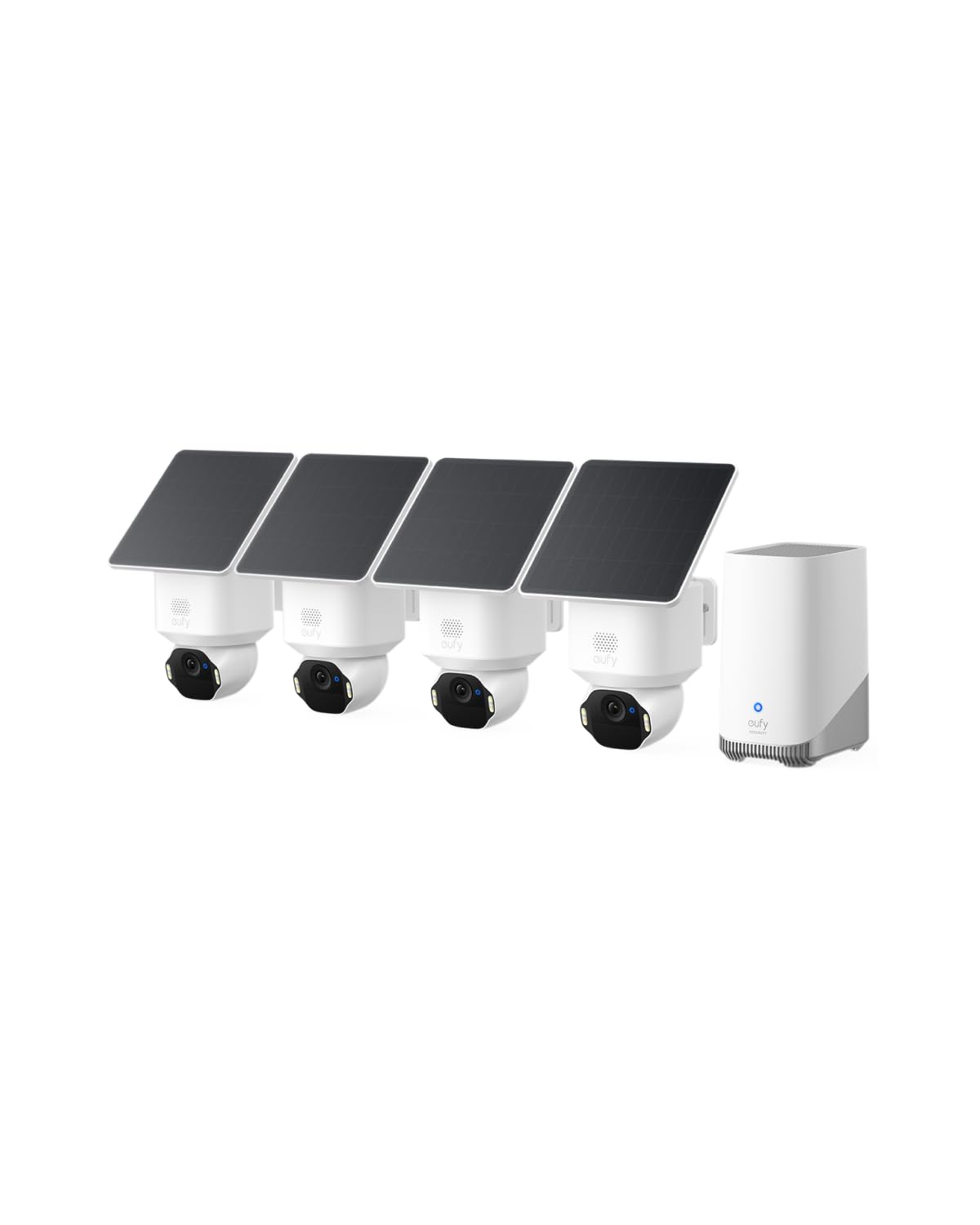
eufy SoloCam E42 4-Cam Kit

eufy SoloCam E42 4-Cam Kit

High-detail solar PTZ

Our Score 8.6/10
Check Price

Worth Noting

  • Battery may drain during extended cloudy periods or in northern exposures, requiring occasional manual recharging.
  • AI motion tracking can occasionally miss rapid movements or follow irrelevant objects, requiring patience.
Power Source
Solar powered, HomeBase 3
Video Resolution
4K UHD
Storage & Subscription
Up to 16TB local, no sub
Cameras & Expandability
4 cameras, 360° PTZ, tracking
Read the full review

The eufy SoloCam E42 system stands apart with per-person facial recognition feeding into a HomeBase 3 that supports up to 16TB of local storage — no subscription fees needed. Unlike standalone solar cameras that process events on-device, this hub-based setup centralizes footage and AI learning, making it easy to search for specific people or vehicles without scrolling through endless clips. The four 4K cameras capture sharp detail that holds up under digital zoom, and the solar panels keep batteries alive through most weather when installed in open sky.

This kit is built for tech-forward households with a strong mesh Wi-Fi network and mounting spots that get at least a few hours of direct sun daily. The connection to the HomeBase can be temperamental, and occasional buffering or temporary dropouts are part of the ownership experience — buyers who can't tolerate any lapse should consider a wired PoE system instead. Motion tracking, while helpful for pan-tilt, may occasionally miss quick passes or react to harmless movement. Those wanting to eliminate monthly fees and identify who comes and goes will find the tradeoff acceptable.

Tip: Place the HomeBase in a central location with strong Wi-Fi signal and connect it via Ethernet to your router for the most stable feed, and position cameras in full sun for reliable charging.

Bottom line: The eufy SoloCam E42 kit offers facial-recognition precision and subscription-free storage that mainstream systems lack. It's the right call for sunny, well-networked properties where identity-aware monitoring is a priority.

9

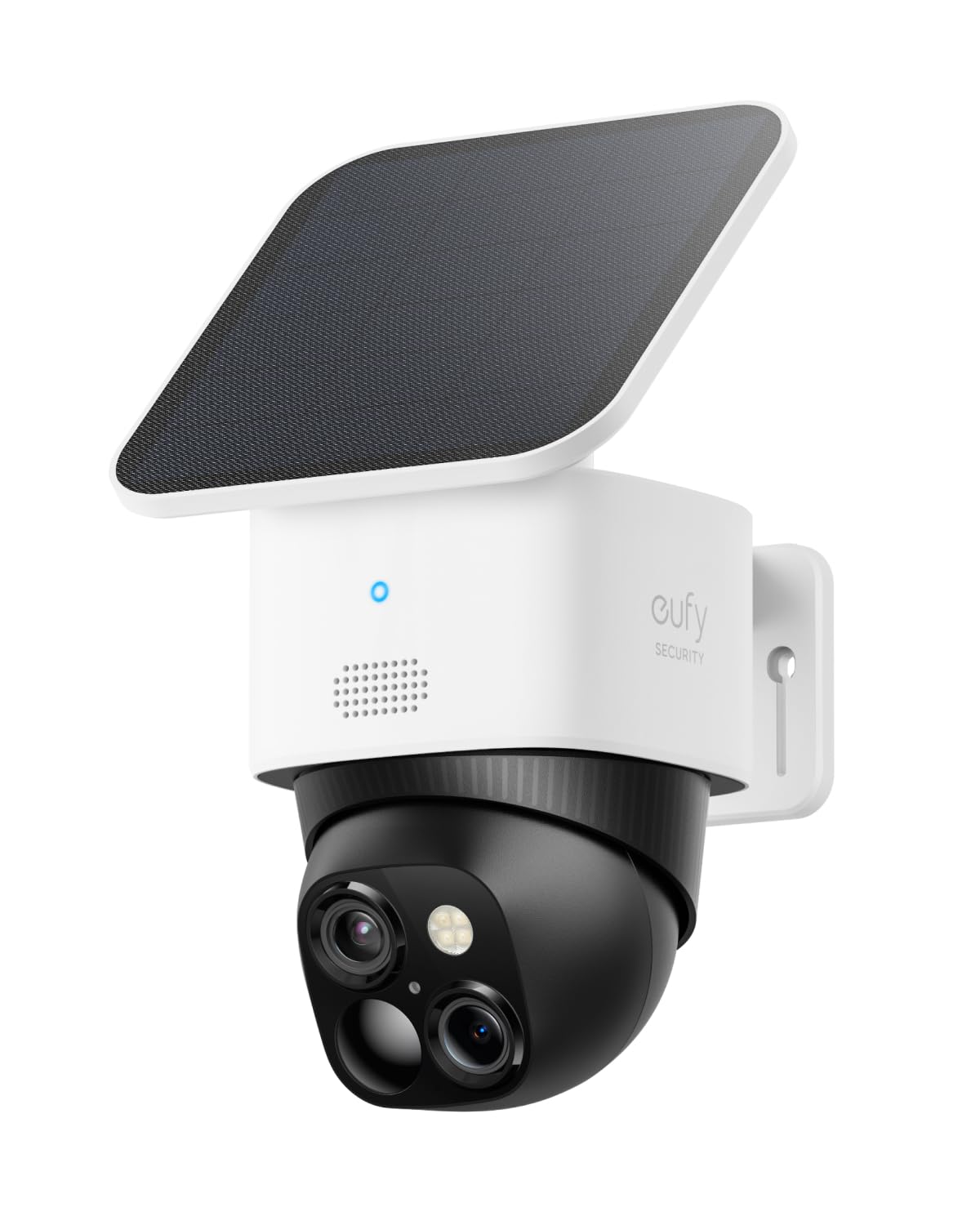
eufy SoloCam S340 Solar PTZ

eufy SoloCam S340 Solar PTZ

Single large-area coverage

Our Score 8.6/10
Check Price

Worth Noting

  • Solar charging needs direct, sustained sunlight; shaded spots may require periodic USB recharging.
  • Motion tracking can lag behind fast-moving subjects like sprinting animals or cars.
Power Source
Solar, removable panel
Video Resolution
3K dual camera, 8x zoom
Storage & Subscription
8GB local, no subscription
Cameras & Expandability
1 camera, 360° PTZ
Read the full review

The eufy SoloCam S340 combines a wide-angle and telephoto lens in a single pan-tilt housing, producing sharp 3K video with 8x hybrid zoom — no base station or subscription required. With 360° coverage, it handles large yards and driveways well. Solar charging, however, demands direct sun; shaded positions may need a USB top-up every few weeks. Motion tracking responds reliably to people walking, but can miss quick dashes from pets or vehicles. Its sweet spot is a sunny, open space where occasional manual charging and slight tracking lag are acceptable.

Tip: Angle the solar panel toward the sunniest spot and top off via USB-C if winter shading reduces power.

Bottom line: If you need a single pan-tilt camera to cover a large sunny area and don't rely on split-second motion tracking, the S340's sharp dual-lens zoom and subscription-free setup make it a solid choice.

How to Choose

Video Resolution

2K or 4K captures far more detail than 1080p, letting you read a license plate or identify a face at a distance. The trade-off is bandwidth and storage: 4K video eats through hard drive space about three times faster than 1080p. For most homes, 2K hits a practical sweet spot where you can distinguish features without filling a 2TB drive in a few weeks.

A camera that claims 4K but compresses the feed heavily to save space can look no sharper than a well-tuned 1080p image. Look for cameras that specify bitrate or those known to produce crisp, uncompressed footage, especially at night when noise reduction algorithms soften details.

Power Source

Solar-powered cameras are the most convenient in theory but depend on several hours of direct, unfiltered sunlight each day. Even partial shade from a roofline or tree branch can cause a full discharge within days. Battery-only cameras need manual recharging every few weeks to months, depending on motion frequency.

Wired cameras—whether plug-in or PoE—eliminate charging altogether and often support 24/7 recording. PoE (Power over Ethernet) combines power and data over one cable, giving you a stable connection that doesn’t compete with Wi-Fi devices. The hidden cost of wireless is the mesh router or extender you may need to buy to keep outdoor cameras online.

Number of Cameras & Expandability

A single camera covering a front door is a start, but blind spots at side gates or back windows make a multi-camera system worth the extra upfront cost. Kits that come with a base station often limit you to that station’s range and channel count, while expandable NVR systems let you add cameras as needed.

Before buying a fixed kit, walk your property and note where power or sunlight is available; each camera should cover a choke point, not just a wide panorama. Cameras with pan-tilt can reduce the total number you need, but motion tracking latency may cause you to miss fast-moving subjects.

Storage & Subscriptions

Cameras that store video locally on a microSD card or base station avoid monthly fees and keep your footage private. However, a thief could steal the camera along with its SD card. Cloud storage solves that but typically costs $3–$10 per month per camera and requires a constant internet connection.

The practical middle ground is a base station with a hard drive that sits safely inside your home, recording locally but accessible via an app without a subscription. Confirm whether motion-triggered clips are included free or locked behind a paywall—some brands only let you view a still image unless you pay.

Weatherproofing & Night Vision

IP65 or IP66 ratings mean a camera can handle heavy rain and dust, but prolonged exposure to direct sun can still degrade plastic housings and seals over a few years. Outdoor cameras placed under eaves fare better. Night vision performance varies dramatically: infrared IR provides a black-and-white image up to 100 feet, while color night vision requires a strong spotlight that can attract insects.

Color night vision that only reaches 15 feet is rarely useful for catching someone at the edge of a driveway. Prioritize models with a long IR throw or an integrated floodlight if you need identification after dark.

Frequently Asked Questions