Storage

12 Best Room Dividers of 2026: Privacy That Lasts Beyond Unboxing

Find room dividers that deliver real separation and last beyond the setup—without fragile screens or wobbly tension rods—for renters and home decorators.

Decorating a room with a folding screen feels instant—unfold it and you have a private nook. Yet many woven screens arrive with cracked panels or turn out to be far more see-through than listings suggest. The pretty patterns often conceal thin frames and flimsy hinges that wobble on carpet.

A less decorative approach—tension rods and curtain track kits—actually solves the privacy puzzle more directly. You get floor-to-ceiling coverage that blocks sound and light, no drilling required, without the shipping damage risks of imported wood frames.

Choosing the right system comes down to whether you value instant visual charm or lasting, private separation. This guide breaks the category into three distinct types—decorative folding screens, renter-friendly tension systems, and ceiling track kits—so you can match your need without regret.

#1

Best Overall

Pros

  • Easy no-drill assembly and adjustable fit for most rooms
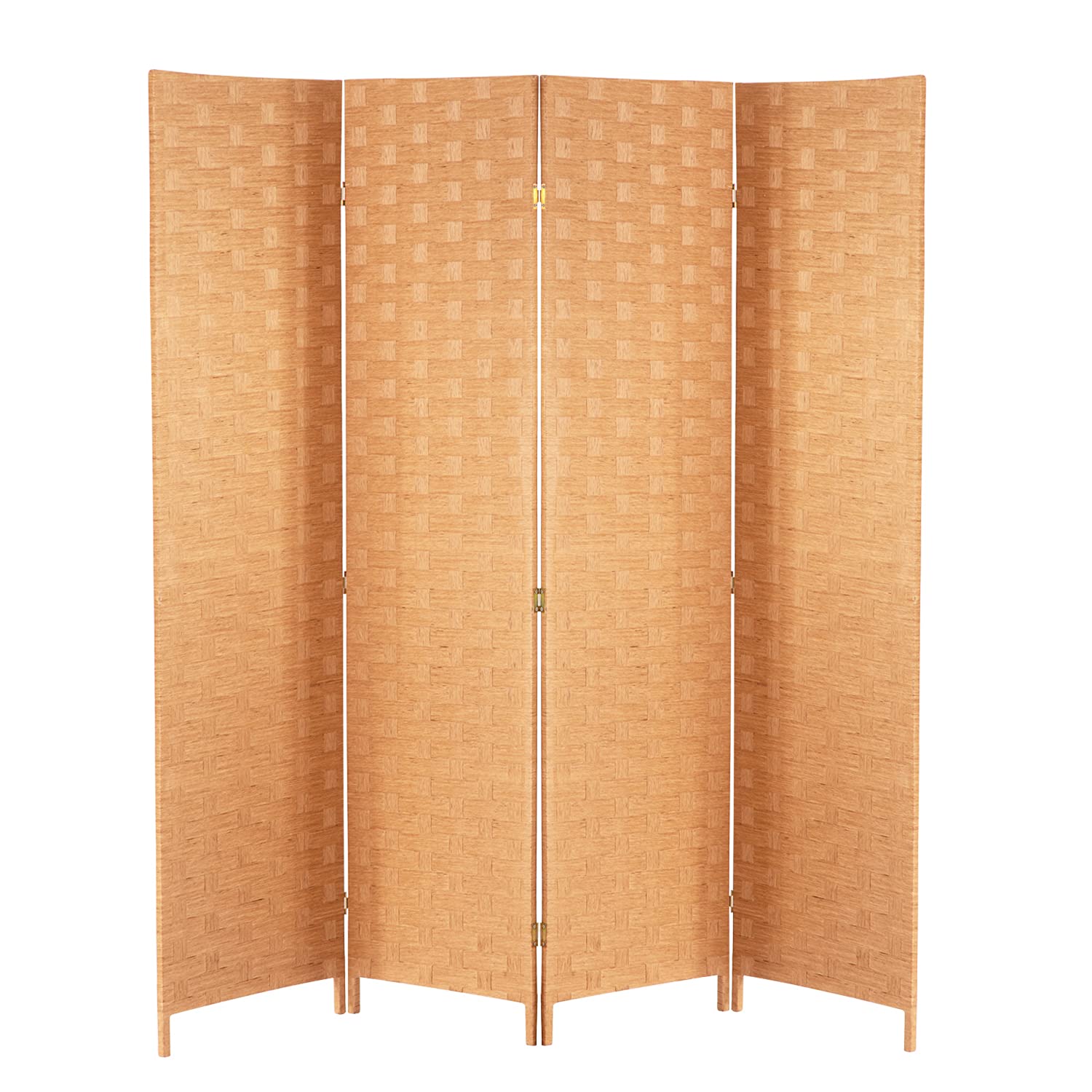
  • Sturdy rod holds heavy blackout curtains without sagging
  • Creates effective visual and even sound barriers

Cons

  • Achieving perfect tension takes patience

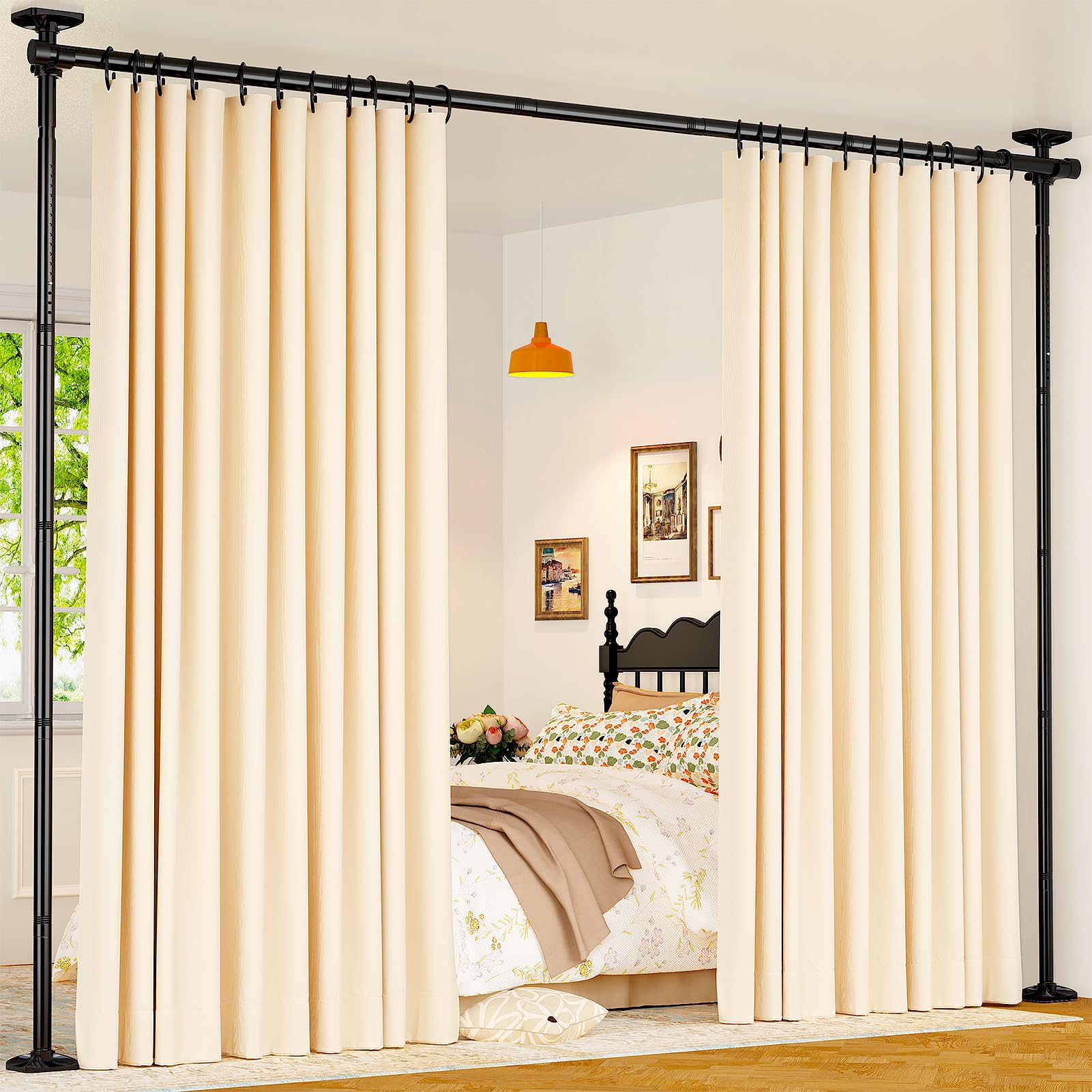
Tool-free assembly takes minutes: extend the rod to your ceiling height (4 to 10 feet), twist to tighten, and lock the crossbar. The stainless steel build supports up to 45 lbs of curtains without bowing. Heavy blackout drapes hang without sagging, and once tensioned properly, the full-height coverage cuts sightlines and softens conversation more effectively than any folding screen. In a studio or shared room, it creates a distinct private zone without a single hole in the wall. The adjustable width from 28 to 114 inches fits most openings.

This isn’t a decorative screen — it’s a tension frame that demands your own curtains, making it ideal for those who want to match an existing decor scheme or need true darkening. It’s not a furniture piece, so out-of-the-box aesthetics are nonexistent. The main challenge is setting the initial tension just right. Rushing can result in a rod that drifts or wobbles, especially under heavy blackout panels. However, taking time to level and tighten the rod eliminates movement. For renters comfortable with a 15-minute installation ritual, the result is a stable, wall-like divider at a fraction of the cost of a room addition.

💡 Tip: Take your time leveling and tightening the rod — using a level ensures the 45 lb capacity stays wobble-free, even with heavy blackout curtains.

Bottom Line: For renters who want a genuine room divider without holes in the wall, the SUNALLY system delivers full-height separation that no folding screen can match — the setup patience required is a small tradeoff for its flexibility.
#2

Best Decorative Screen

Pros

  • Stunning floral design perfect for video call backdrops and decorative accents
  • Diffused light privacy that blocks direct sightlines while keeping rooms bright
  • Lightweight folding panels that are easy to reposition, fold flat, and store

Cons

  • Panels can arrive cracked due to delicate rice paper and thin wood frame

Unlike ceiling-mounted curtain systems that need hardware and fabric, this folding screen arrives assembled and instantly creates a Japanese-inspired backdrop with its plum blossom rice paper. The paper diffuses light and obscures direct sightlines, striking a balance between privacy and openness.

It suits home office video calls, accent definition, and anyone wanting a lightweight decorative divider that's easy to stash when not in use. Just know that the delicate frame and paper can crack during transit — open the box immediately and inspect each panel. This screen is about atmospheric charm, not bulletproof durability.

💡 Tip: Inspect all panels immediately upon arrival; packaging damage is the most common source of cracks.

Bottom Line: A charming floral accent screen for video backgrounds and mild room separation, provided you inspect the delicate panels for shipping cracks right away.
#3

Best All-in-One Curtain Wall

Pros

  • Blocks light exceptionally well, creating a genuinely dark area on one side.
  • Full kit under $50—curtain panel, track, and hardware in one box.

Cons

  • The plastic track must be uncoiled and straightened with care; the brackets can feel flimsy during installation.

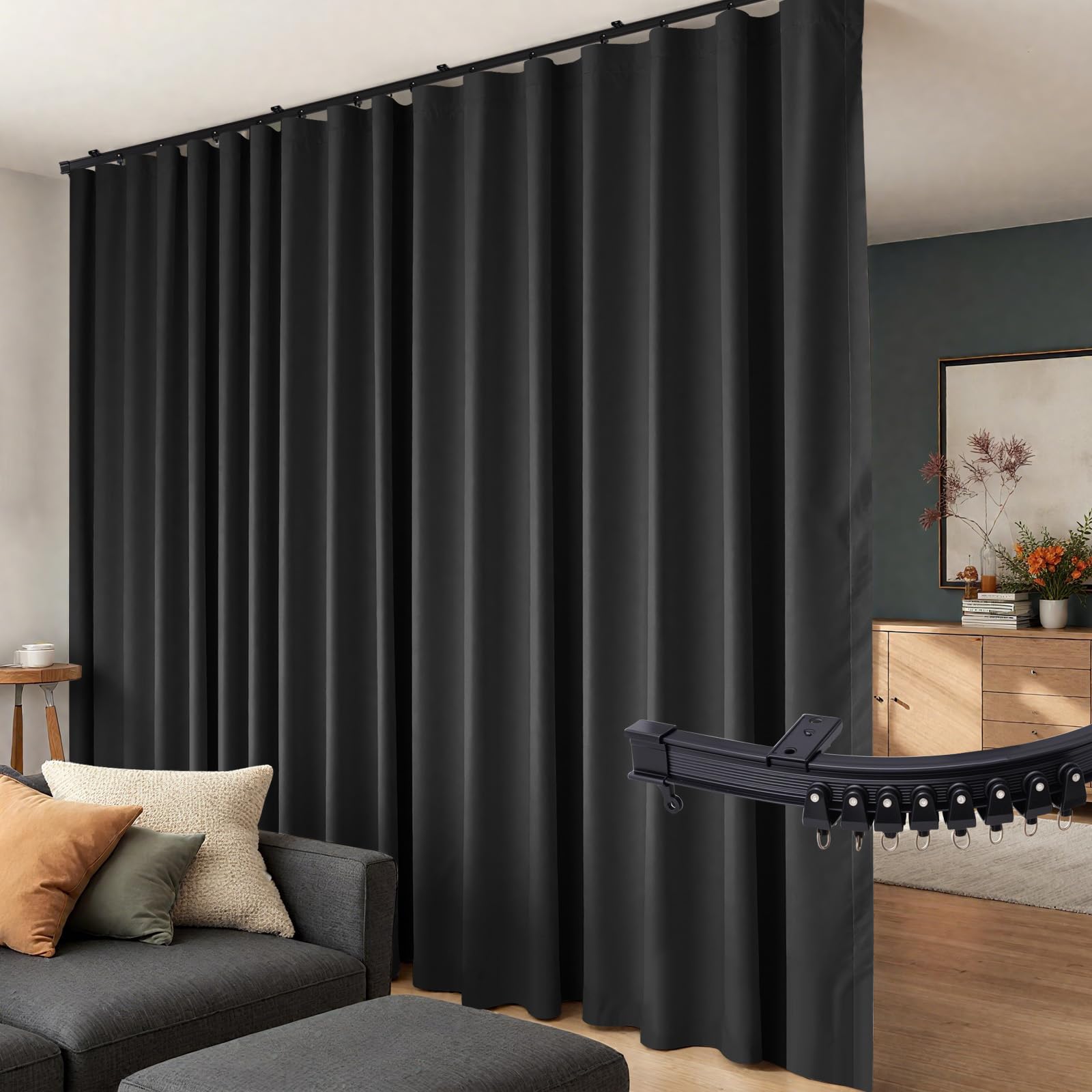
While tension rod systems demand you source a separate curtain and achieve only partial light control, this kit arrives with everything needed for a true blackout wall—a 100-inch wide drape and a flexible ceiling track. The polyester panel blocks 98% of incoming light, making it an immediate, complete solution for darkening a zone without multiple purchases.

It suits shift workers, home theaters, or anyone who needs near-total darkness behind a fixed divider and can permanently drill into the ceiling. The plastic track arrives tightly coiled and requires stretching and patience to straighten before mounting; the included brackets are functional but light-duty. Once it’s up, the curtain glides smoothly and the light-blocking holds up—just factor in a fussy afternoon of setup.

💡 Tip: Unroll the track and let it rest in a warm space or use gentle heat from a hairdryer to relax the coil—straightening becomes much easier before you mount it.

Bottom Line: For those who can commit to a permanent ceiling-mounted blackout wall and don’t mind an installation that needs some wrestling, this budget kit delivers the deep darkness that folding screens and tension rod setups often miss.
#4

Best Budget Woven Screen

Pros

  • Diamond-weave pattern blends easily with a wide range of decors.
  • Light enough to carry between rooms without effort.
  • Creates a decently private background for video calls and nighttime use.

Cons

  • Light frame can tip over on carpet or uneven floors without anchoring.

This lightweight screen sets up in seconds without tools, delivering instant room separation with a diamond-weave look that blends into most decors. Unlike tension rod systems that need curtain purchases and ceiling pressure, the FDW sits on the floor and can be moved as needed. Its very light construction makes it prone to tipping on carpet and in breezy spots, so it works best placed against a wall in low-traffic indoor areas. Yet when stationary, it provides solid visual separation for video calls and dims ambient light enough to lend a sense of sleeping-area privacy. It’s a sensible pick for renters or anyone needing temporary partition on a budget — just expect a floaty feel and occasional wobble.

💡 Tip: Place it on hard floors or anchor it against a wall with furniture to prevent tipping, especially in homes with kids or pets.

Bottom Line: If you need a quick, budget-friendly temporary partition and can place it on hard floors out of heavy traffic, this screen is a practical buy — just don't expect heavy-duty stability.
#5

Best Glamour Screen

Pros

  • Gold frame with intricate cutouts creates an elegant backdrop for upscale spaces.
  • Fully assembled
  • Light-filtering panels provide visual separation without darkening the room.

Cons

  • MDF panels can arrive with small cracks, affecting the clean look over time.

Where tension rod systems prioritize full-height privacy, this screen trades coverage for instant decorative impact. The gold-finished frame and geometric cutouts create a polished backdrop for video calls, and it unfolds ready to use — no assembly, no curtain shopping. The white panels soften light without adding bulk, preserving an airy feel. The MDF panels can develop small cracks during shipping, so careful inspection on delivery is a must. This suits home offices and upscale decor where the screen will stay put; homes with small children or pets may knock it over, and the fragile panels won't survive heavy handling.

💡 Tip: Inspect the panels thoroughly upon delivery; small cracks can be missed and may spread.

Bottom Line: For a home office video background that makes a style statement, this screen delivers on day one — just budget time to unbox and inspect before the return window closes.
#6

Best with Storage

Pros

  • Built-in shelves add display space without increasing the screen’s footprint.
  • No assembly needed
  • Wood-look finish and dual-sided shelf access allow flexible room layouts.

Cons

  • The frame may become less stable when shelves are loaded, particularly on carpet or uneven floors.

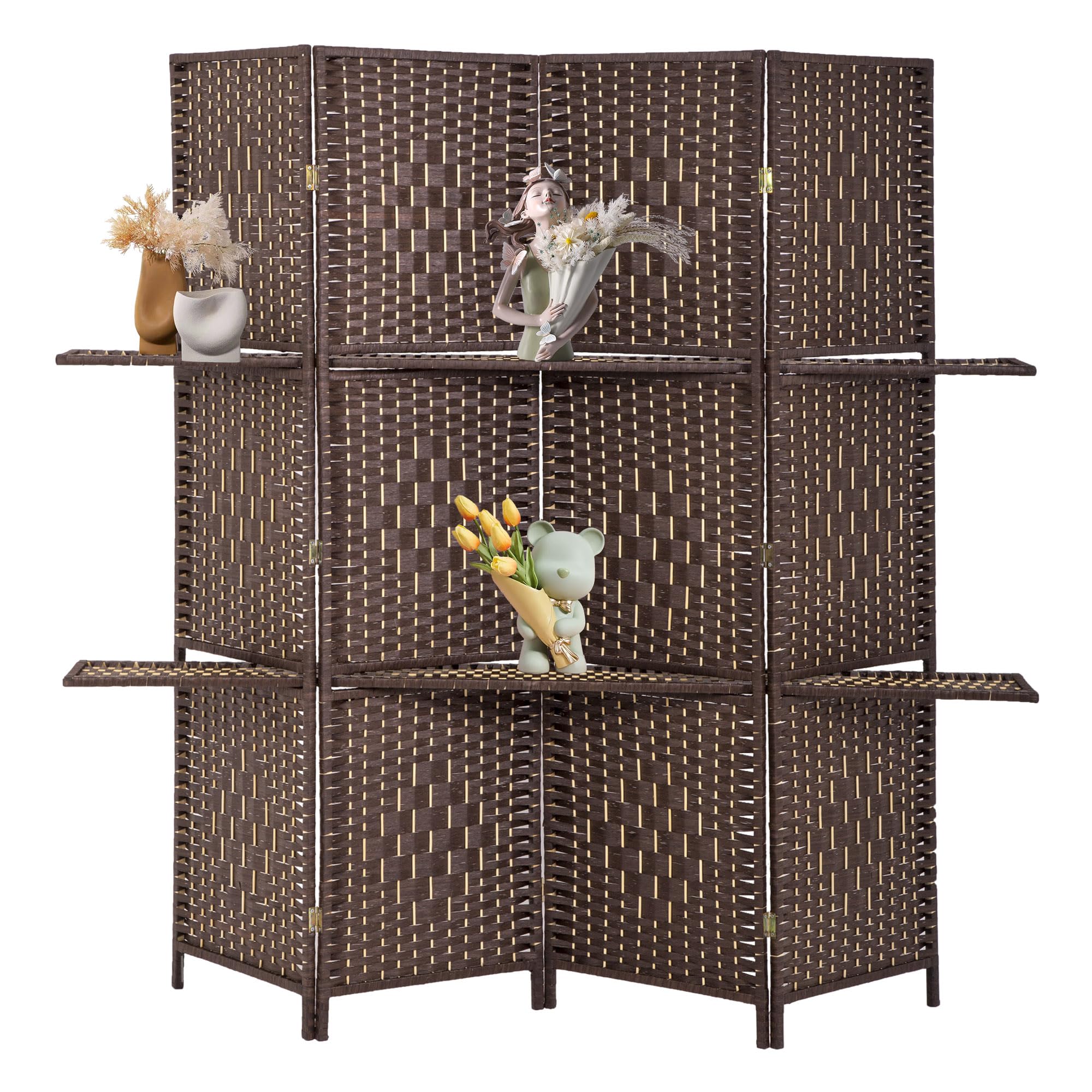
Unlike basic folding screens that only block sightlines, this FDW divider integrates two removable storage shelves into each panel, letting you display small plants, photos, or light decor while sectioning off a corner. It’s a smart pick for a reading nook or home office where every surface earns its keep. The trade-off: shelves can’t handle heavy books or vases, and the frame may feel tippy if you overload it. Stick to lightweight accents and it delivers a functional, decorative divide.

💡 Tip: Secure the screen to a wall with the included hardware or keep heavier items on the floor beneath it to reduce any wobble.

Bottom Line: A clever storage-screen hybrid that earns its keep in small spaces, provided you keep the shelves lined with lightweight mementos, not heavy books.
#7

Also Great

Pros

  • Warm bamboo scent and textured weave add a distinct spa-like calm to any room.
  • Stands securely without wobbling or needing additional support.

Cons

  • Open weave leaves silhouettes visible

The JOSTYLE divider arrives fully assembled with a warm bamboo scent and a sturdy frame that folds easily. The open weave adds organic texture but is fairly see-through, so it suggests division rather than blocking sight completely. Best for creating a calm backdrop in a living area or bedroom nook, not for dressing areas or full privacy.

Bottom Line: If you’re after a decorative screen to soften a room’s corners with a natural, spa-like presence, and you don’t need full visual privacy, this bamboo divider delivers charm and convenience.
#8

Also Great

Pros

  • Quick tool-free assembly adjusts from 28–114 inches wide.
  • Creates a floor-to-ceiling private space without drilling into walls or ceilings.

Cons

  • Top cross bar can flex under heavy blackout curtains and high-ceiling setup may be awkward.

The Bonpally tension rod spans the same 28–114 inches wide and 4–10 feet tall as the leading option, using a no-drill tension mount that creates a full-height room divider. The top cross bar isn’t as rigid under heavy blackout drapes, so stick with lightweight to mid-weight curtains for best results. It’s the go-to alternative if the top pick is out of stock.

Bottom Line: Get this if the leading tension rod is unavailable and your curtains aren’t extra-heavy — it delivers the same expansive coverage.
#9

Also Great

Pros

  • Twist-lock pieces snap together in minutes with no tools required.
  • Holds lightweight curtains securely without slipping under normal use.

Cons

  • Heavy blackout drapes can cause wobble; best used with lightweight fabrics.

The Goovilla tension rod snaps together with twist-lock pieces and spans 28–70 inches, creating a floor-to-ceiling privacy wall with standard curtains. Compact when disassembled, it's easy to store and reuse. Width tops out at 70 inches, and heavy blackout drapes can feel flimsy — pair with lightweight fabrics for a stable setup.

Bottom Line: For dorm rooms or rental setups where width stays under 70 inches and lightweight curtains provide enough privacy, this rod delivers a no-drill, budget-friendly solution.
#10

Also Great

Pros

  • Pleasant dark coffee color blends easily with wood furniture.
  • Ultra-lightweight construction makes it simple to carry and reposition.

Cons

  • The woven rattan is see-through and the lightweight frame can loosen at the hinges over time.

This dark coffee rattan screen is feather-light, making it easy to move for concealing a litter box or laundry area. The weave allows light through, and the frame lacks the rigidity for daily repositioning or full privacy. It’s a budget-friendly spot-hider, not a permanent partition.

Bottom Line: For tucking away a specific eyesore in a low-traffic corner, this ultra-light screen does the job; just don't expect it to provide solid privacy or withstand daily handling.
#11

Also Great

Pros

  • Crisp white hand-woven panels with an arched top add brightness and texture to small spaces.
  • At just 7.9 lbs, the screen moves easily and folds flat for quick storage or room changes.

Cons

  • The woven paper rope can tear if bumped or scratched

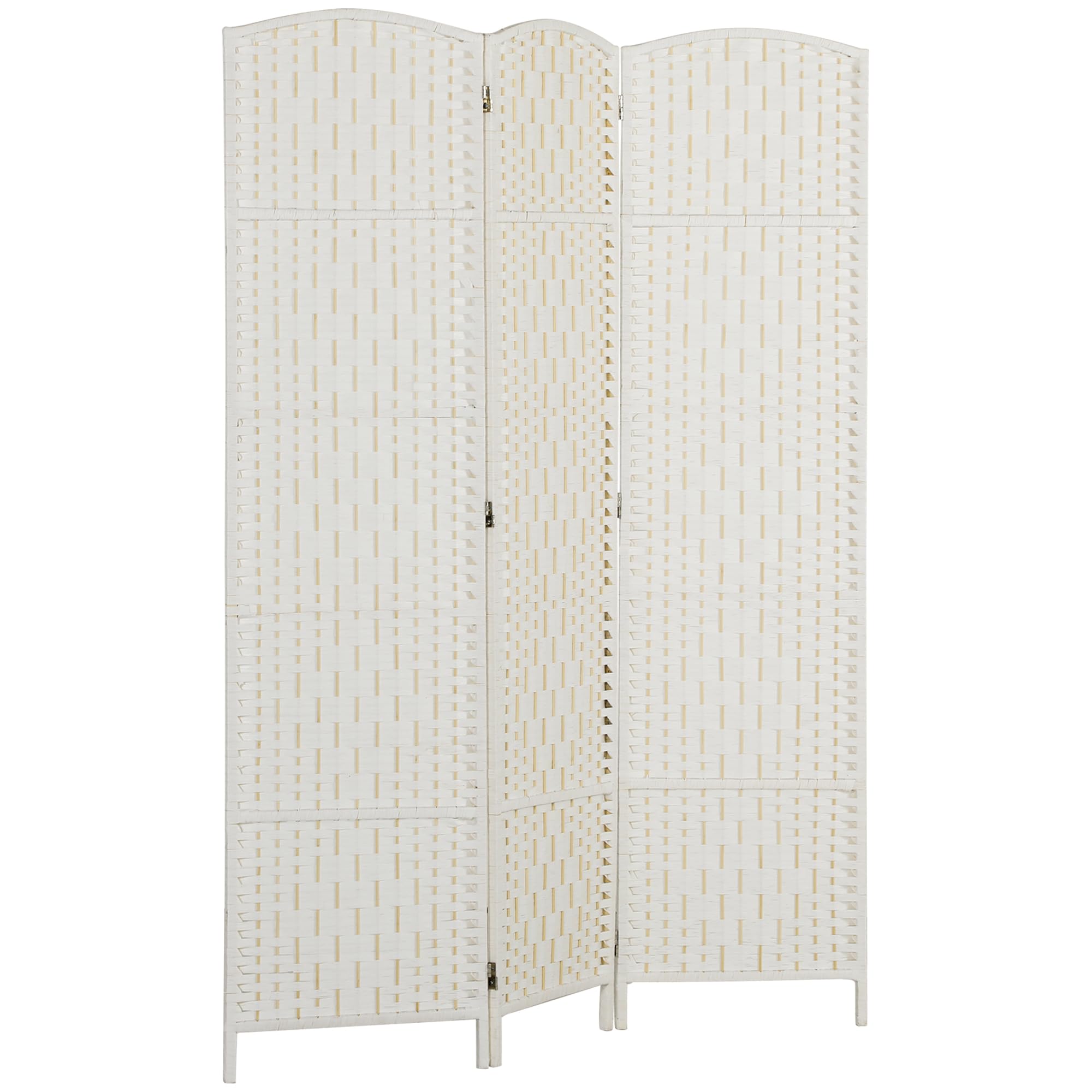
The crisp woven texture and arched silhouette add an open, decorative touch to a reading nook or utility corner. The three-panel span covers only about 53 inches, which keeps it from true room division. The paper rope weave can tear if bumped, so it's best placed against a wall or in low-traffic areas.

Bottom Line: A bright accent screen for a static corner, best used where it won't be jostled — think water heater concealment or a reading nook divider — not a workhorse room separator.
#12

Also Great

Pros

  • Gorgeous artisan carving with ringing bells, a true statement piece
  • Heavy and stable

Cons

  • Panels can arrive cracked or chipped, requiring careful inspection and return tolerance.

The hand-carved panels and ringing brass bells create a one-of-a-kind focal point for bohemian spaces. A pervasive musty odor from the finish can linger for weeks, requiring patience and ventilation. This screen suits those who value artisan character over immediate usability.

Bottom Line: If you’re hunting for a hand-carved statement screen and can commit to airing it out and accepting a possible return, this piece delivers unmatched character.

How to Choose

Divider Type: Screen, Tension Rod, or Track

Freestanding folding screens look decorative but rarely reach the ceiling or block sound; they work best as visual dividers, not total barriers.

Tension rods and ceiling track kits create a full floor-to-ceiling wall. Tension rods press between surfaces without hardware; ceiling tracks need screws but handle heavy curtains reliably.

Height and Width: Measuring Your Space

Measure both ceiling height and the width you want to span. Tension rods adjust from roughly 4 to 10 feet tall and up to 114 inches wide, fitting most standard rooms.

For folding screens, check that the unfolded width covers your opening without gaps—many 4-panel screens stretch about 70 inches. Narrow screens under 55 inches only separate a small area; wider spans need a track or extra-long curtains.

Material and Construction: What Lasts

Wood and bamboo screens look natural but can arrive with broken hinges or cracked panels due to poor packaging. Rice paper and MDF panels are especially fragile.

Metal tension rods and plastic tracks lack handcrafted charm but perform better under stress. Woven rattan and paper rope screens sacrifice durability for low weight—expect them to show wear within a year.

Privacy Level: Light Control vs. Visual Hiding

Woven screens filter light but let shapes and movement show through, so they’re not for dressing rooms. If you need to block light or create a truly separate sleep area, choose a blackout curtain on a track or tension rod. Even solid folding screens often have small gaps at hinges that leak light.

Assembly and Renter-Friendliness

Many folding screens arrive fully assembled—just unfold. Tension rods require no tools or holes, though achieving perfect vertical alignment takes some trial and error.

Ceiling tracks demand a drill and straight runs, but provide a permanent, clean look. If you rent, prioritize tension systems; if you own, a ceiling track can be a lasting solution.

Stability Under Everyday Use

Lightweight folding screens (under 15 pounds) tip over easily on carpet or in breezy areas. Tension rods, when properly installed, resist lateral forces but can fall if the ceiling or floor shifts.

Heavy carved wood screens (50+ pounds) are inherently stable but hard to move. For homes with pets or children, choose a tension rod secured with weight-capacity limits or a heavy, tip-resistant screen.

Frequently Asked Questions